
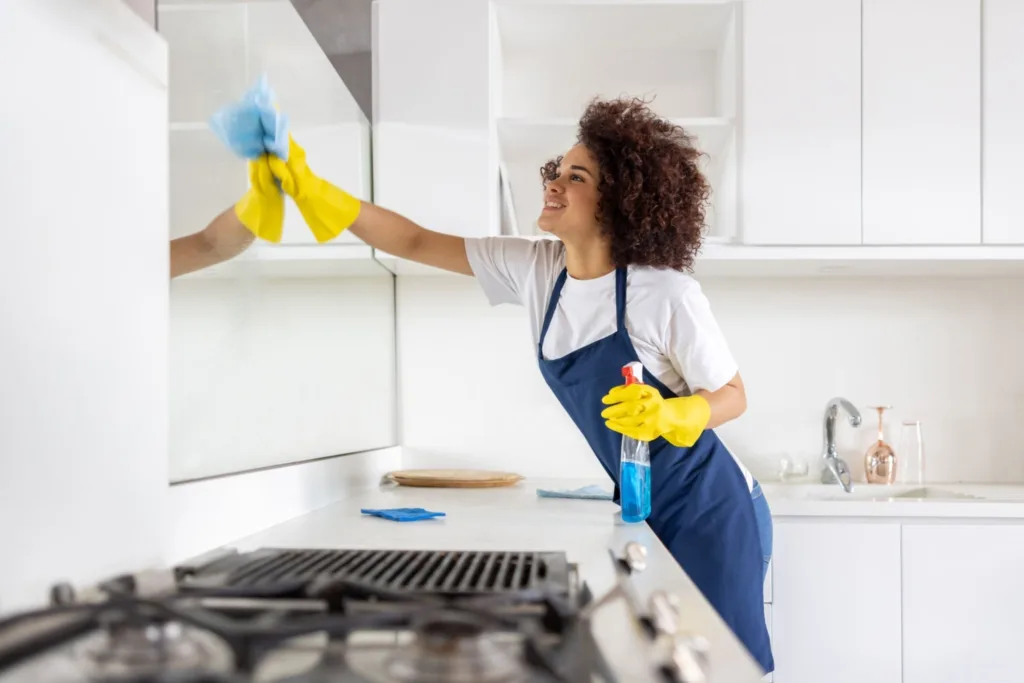
The Importance of a Clean Home for Seniors
For seniors, a clean home is about more than appearances. It is about safety, health, and quality of life. A clean home reduces fall risks by eliminating clutter and spills. It improves indoor air quality, which is especially important for those with respiratory conditions. It prevents the buildup of dust, mold, and bacteria that can lead to illness.
A well-maintained home provides comfort and dignity, allowing seniors to age in place with confidence. However, the physical demands of cleaning can become more challenging with age. Mobility limitations, reduced energy, and health conditions can make tasks that were once simple feel overwhelming. With the right strategies, tools, and support, seniors can maintain a clean, safe home without risking their health or independence.
Safety First Before Cleaning
Before any cleaning begins, safety must be the priority. Falls are the leading cause of injury among older adults, and cleaning activities often involve bending, reaching, and moving through spaces. Remove all tripping hazards such as loose rugs, cords, and clutter before starting. Wear non-slip shoes or sturdy slippers with good traction. Use a sturdy step stool with a handrail for reaching high areas, never a chair or unstable surface.
Keep cleaning supplies organized and within easy reach to avoid excessive bending or stretching. Take frequent breaks to prevent fatigue. Stay hydrated and listen to your body. If a task feels unsafe or physically demanding, stop and find an alternative approach or ask for help. Safety is always more important than completing a cleaning task.
Adaptive Tools for Easier Cleaning
The right tools can make cleaning significantly easier and safer for seniors. Lightweight vacuums with swivel heads reduce the effort needed to maneuver. Cordless stick vacuums eliminate tripping hazards and are easier to handle than traditional heavy vacuums. Long-handled dusters and dust mops allow cleaning of floors and high areas without bending or reaching.
Reacher tools help pick up items from the floor without stooping. Ergonomic handles on scrub brushes and sponges reduce hand and wrist strain. Squeegees with extendable handles make shower cleaning easier. Spray bottles with easy-squeeze triggers reduce hand fatigue. Investing in adaptive tools transforms cleaning from a physical challenge into a manageable activity.
Simplifying the Cleaning Routine
Complex cleaning routines with many steps and products can be overwhelming. Seniors benefit from simplifying their approach to cleaning. Choose all-purpose cleaners that work on multiple surfaces, reducing the number of products needed. Focus on high-impact areas that matter most for health and safety, such as kitchens, bathrooms, and high-traffic floors.
Establish a simple weekly routine that covers essential tasks without overextending energy. Break larger tasks into smaller sessions rather than trying to clean entire rooms at once. Clean one area per day rather than marathon cleaning sessions. Simplifying the routine makes cleaning more sustainable and less physically demanding.
Kitchen Cleaning for Safety and Health
The kitchen is a priority area for senior cleaning because it directly affects food safety and daily function. Keep countertops clear of clutter to provide ample workspace and reduce fall risks. Wipe spills immediately to prevent slippery surfaces. Check the refrigerator weekly, discarding expired food that could cause illness. Clean the stove and oven regularly to prevent grease buildup that could ignite.
Ensure that frequently used items are stored in easily accessible lower cabinets, reducing the need for bending or climbing. Consider using a lightweight cordless vacuum for quick kitchen floor cleanup rather than dragging out a heavy machine. A clean, organized kitchen supports safe and healthy meal preparation.
Bathroom Cleaning for Safety
Bathrooms present unique safety challenges for seniors due to moisture, slippery surfaces, and the potential for falls. Focus on preventing mold and mildew, which can cause respiratory issues. Clean shower and tub surfaces weekly to prevent soap scum buildup that becomes slippery. Use a long-handled scrub brush to clean the shower without bending or stepping into the tub.
Keep a squeegee in the shower to wipe walls after use, reducing the frequency of deep cleaning needed. Ensure bathroom floors are kept dry and free of small rugs that can slip. Clean grab bars and handrails to ensure they remain secure and free of residue. A clean, dry bathroom is a safer bathroom.
Managing Floors and Fall Prevention
Floors are the largest surface in your home and the area most critical for fall prevention. Vacuum or sweep high-traffic areas regularly to remove debris that could cause slipping. Pay special attention to transition areas between rooms where floors change height. Check for loose floorboards, curled carpet edges, or torn rugs that create tripping hazards.
Secure all area rugs with non-slip backing or double-sided tape. Consider removing throw rugs entirely if they pose a fall risk. Use a lightweight vacuum or a stick vacuum that is easy to maneuver. For mopping, use a spray mop that eliminates the need for heavy buckets of water. Clean, secure floors are essential for safe mobility throughout the home.
Dusting and Air Quality
Indoor air quality becomes increasingly important with age, as respiratory conditions become more common. Regular dusting reduces airborne particles that can trigger allergies and breathing difficulties. Use damp microfiber cloths for dusting, which trap dust rather than scattering it into the air.
Start from high surfaces and work downward, allowing dust to settle before vacuuming. Pay attention to ceiling fans, light fixtures, and vents where dust accumulates. Change HVAC filters regularly according to manufacturer recommendations. Consider using a HEPA air purifier in bedrooms and main living areas. Clean air contributes to better respiratory health and overall comfort.
Decluttering for Safety and Ease
Clutter is not just an aesthetic issue; it is a safety hazard. Excess items on floors create tripping hazards. Crowded countertops make cleaning difficult. Overflowing closets make finding needed items challenging. For seniors, decluttering is an essential safety practice. Work through one area at a time, removing items that are no longer used or needed.
Donate or discard broken items, expired products, and clothing that no longer fits. Create clear pathways through every room. Keep frequently used items in easily accessible locations. A decluttered home is easier to clean, safer to navigate, and more comfortable to live in.
Enlisting Help from Family and Friends
Many seniors hesitate to ask for help with cleaning, but involving family and friends can make home maintenance manageable while providing valuable connection. Be specific about what help would be most useful. Perhaps a family member can handle heavy vacuuming while you focus on lighter tasks. A friend might help with seasonal deep cleaning or decluttering projects.
Grandchildren can assist with tasks like dusting baseboards or sorting through items for donation. Asking for help allows you to preserve your energy for tasks you can manage safely while ensuring your home remains clean and well-maintained. Most loved ones are happy to help when they understand what is needed.
Considering Professional Cleaning Services
Professional cleaning services offer a practical solution for seniors who want to maintain a clean home without the physical demands of doing it themselves. Professional cleaners handle the heavy work, including moving furniture, scrubbing bathrooms, and reaching high areas. They bring their own equipment and products, eliminating the need to purchase and store supplies.
Regular professional cleaning ensures consistent home maintenance without relying on family members who may have limited availability. For seniors on fixed incomes, budgeting for professional cleaning may mean adjusting other expenses, but the benefits to safety, health, and quality of life often justify the cost. Many cleaning services offer senior discounts or flexible scheduling options.
Seasonal Cleaning Considerations
Different seasons bring different cleaning challenges that seniors should address proactively. In spring, focus on opening windows to air out the home after winter. Clean window screens and sills to let in natural light. Wash curtains and blinds that have collected dust. In summer, pay attention to humidity control, using dehumidifiers in damp areas and checking for mold growth.
In fall, prepare for winter by cleaning heating vents, replacing filters, and ensuring weatherstripping is intact. In winter, focus on entryway cleaning to manage salt and slush that can damage floors and create slip hazards. Addressing seasonal tasks at the appropriate time prevents them from becoming overwhelming.
Energy Conservation Strategies
Cleaning requires physical energy, which may be limited for seniors with health conditions or reduced stamina. Conserving energy makes cleaning more sustainable. Sit while folding laundry, sorting mail, or wiping lower cabinets. Use a wheeled cart to carry supplies from room to room, reducing trips back and forth. Break tasks into small chunks with rest periods in between.
Do the most physically demanding tasks when energy levels are highest, typically earlier in the day. Accept that some tasks may need to be done less frequently than in the past. Prioritize tasks that matter most for health and safety, letting less critical tasks slide when energy is limited.
Creating a Cleaning Schedule
A written cleaning schedule provides structure and prevents tasks from becoming overwhelming. List essential cleaning tasks and how often they need to be done. Daily tasks might include wiping kitchen counters, making the bed, and tidying living areas. Weekly tasks might include vacuuming, bathroom cleaning, and changing linens. Monthly tasks might include dusting blinds, cleaning inside the microwave, and wiping baseboards. Seasonal tasks include window washing, carpet cleaning, and decluttering. Post the schedule where it is visible and check off tasks as they are completed. A schedule ensures nothing is forgotten and helps you pace your energy throughout the week and month.
Knowing When to Let Go
Aging often means accepting that some things will not be done the way they once were. The house may not be as spotless as it was twenty years ago, and that is okay. Let go of perfectionism and focus on what truly matters for your comfort, safety, and health. A slightly dusty shelf is not a safety concern. A few dishes in the sink will not harm anyone.
Giving yourself permission to lower standards reduces stress and frees energy for more important activities. The goal is a home that supports your wellbeing, not one that meets external standards of perfection.
The Shine Up Cleaning Commitment to Seniors
At Shine Up Cleaning, we understand the unique needs of seniors who want to maintain their homes with dignity and safety. Our professional cleaning services can handle the physically demanding tasks that become challenging with age. We use eco-friendly, non-toxic products that are safe for those with respiratory sensitivities. Our team treats every client with respect and works efficiently to minimize disruption to your routine.
We serve seniors throughout Chicago neighborhoods including Downtown, The Loop, Lakeview, Lincoln Park, Hyde Park, and surrounding areas. Contact us to learn how we can help you maintain a clean, safe, and comfortable home where you can continue to live independently.