
Understanding Indoor Allergens
Before you can effectively allergy proof your home you need to understand what you are fighting against. The main indoor allergens include dust mites which are microscopic creatures that thrive in warm humid environments and feed on dead skin cells. They live in bedding upholstery carpets and curtains and their waste particles become airborne when disturbed triggering allergic reactions. Pet dander consists of tiny flecks of skin shed by furry family members which are lightweight and remain airborne for long periods settling into upholstery bedding and carpets. Pollen from trees grasses and weeds enters your home through open windows on clothing and on pets settling into carpets and upholstery.
Mold and mildew thrive in Chicago humidity particularly in bathrooms kitchens and basements releasing spores into the air. Even cockroach droppings are common triggers in urban environments. When you inhale these particles your immune system may overreact causing sneezing runny nose itchy eyes coughing and difficulty sleeping. The Environmental Protection Agency notes that indoor air can be two to five times more polluted than outdoor air making smart cleaning essential for allergy sufferers.
The Bedroom Sanctuary
Your bedroom should be your safest space since you spend one third of your life there often with your face against pillows and blankets. Start by using allergen proof covers on your mattress box spring and pillows as these tightly woven covers create a barrier that prevents dust mites from colonizing your bed. Wash all bedding weekly in hot water at least one hundred thirty degrees Fahrenheit since cooler water won’t kill dust mites. If you cannot wash in hot water use allergen specific laundry additives designed to remove allergens in any temperature.
Consider replacing bedroom carpet with hard flooring since carpet acts as a reservoir for allergens that no amount of vacuuming can fully eliminate. Keep nightstands and dressers clear of knick knacks and papers storing items in closed drawers rather than on open shelves where dust collects. Replace fabric curtains with blinds or shades that can be easily wiped down or choose machine washable curtains and wash them monthly. A HEPA air purifier running while you sleep can significantly reduce airborne allergens in your bedroom.
The Living Room Challenge
The living room is where families gather where pets lounge and where allergens accumulate most heavily. If you have fabric furniture vacuum it weekly using your upholstery attachment paying special attention to crevices where crumbs and dust collect. Consider switching to leather or vinyl furniture which can be wiped clean and does not trap allergens the way fabric does. For window treatments choose wipeable blinds over fabric curtains whenever possible.
Television sets computers and entertainment centers generate static electricity that attracts dust so wipe down electronics weekly with a slightly damp microfiber cloth. If you have indoor plants be careful with watering to avoid mold growth and consider placing pebbles on top of the soil to reduce spore release into the air. Area rugs should be vacuumed thoroughly at least twice weekly and professionally cleaned annually to remove deeply embedded allergens.
Kitchen Allergy Hotspots
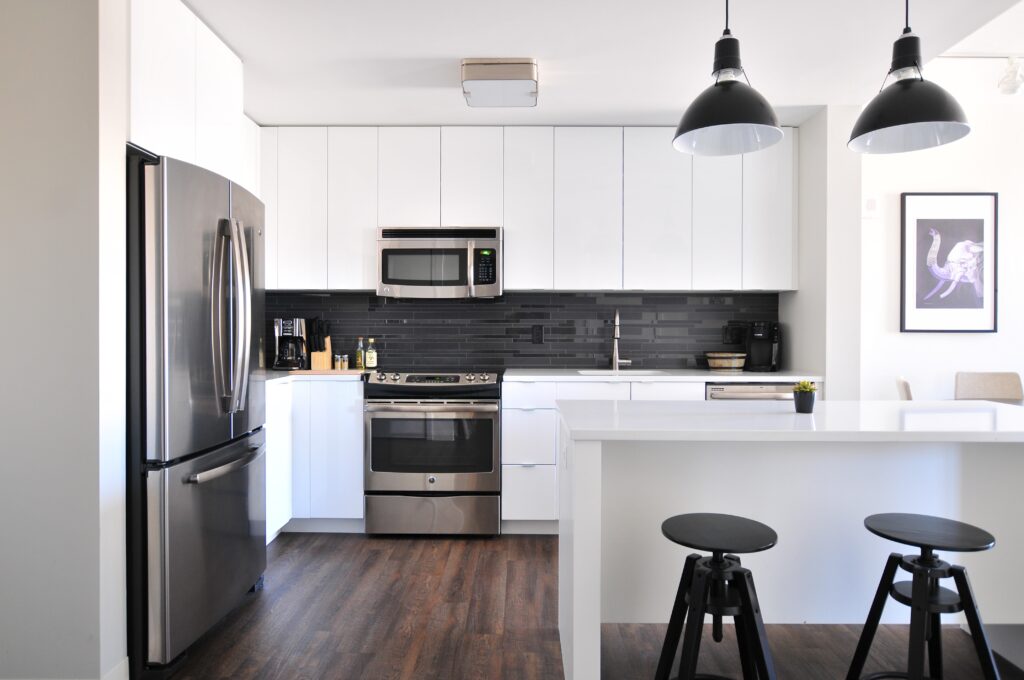
Kitchens present unique allergy challenges from food particles moisture and pests that many homeowners overlook. Wipe up spills immediately and check under sinks regularly for leaks since mold thrives in moist environments. Use exhaust fans when cooking to reduce humidity and prevent mold growth. Store all food in sealed containers take out trash daily and clean crumbs from counters and floors immediately to discourage cockroaches and other pests whose droppings are major allergens.
Clean your refrigerator regularly including drip pans and seals where mold can grow and toss expired food before it can mold. Clean your garbage disposal weekly by grinding ice cubes and citrus peels to prevent odor causing bacteria and mold from developing. Pay special attention to the area behind your refrigerator and stove where dust and food particles accumulate unnoticed.
Bathroom Moisture Control
Bathrooms are mold magnets because constant moisture creates ideal conditions for fungal growth that releases spores into your air. Run your bathroom exhaust fan during showers and for at least thirty minutes afterward to remove humidity. If you do not have a fan open a window to allow moisture to escape. Inspect grout and caulk regularly for mold growth cleaning with a mold killing solution and re caulking when necessary. Machine wash fabric shower curtains monthly and replace plastic liners when you see any mold growth.
Change towels at least weekly and more frequently in humid conditions never leaving damp towels balled up on the floor where they can grow mold. Clean around and behind toilets where moisture and dust accumulate as these hidden areas can harbor significant mold growth that affects indoor air quality throughout your home.
Entryway Defense System
Your entryway is the gateway for outdoor allergens entering your home so creating a defense system here pays enormous dividends. Implement a strict no shoes policy indoors because shoes track pollen mold spores and outdoor pollutants throughout your home. Place a basket or rack by the door for shoe storage making it easy for family members and guests to comply. Use heavy duty mats both outside and inside your door to trap allergens before they spread into your living spaces.
Wash indoor mats weekly in hot water to remove accumulated particles. Store coats in a closed closet rather than on open hooks because outdoor clothing carries pollen and other allergens into your living spaces. Consider keeping a basket of clean slippers by the door so family members can easily switch from outdoor shoes to indoor footwear.
Basement Moisture Management
Chicago basements are notoriously damp making them prime territory for mold growth that can affect air quality throughout your home. Use a dehumidifier to keep basement humidity below fifty percent and empty and clean the dehumidifier regularly to prevent mold growth inside the unit itself. Store items in plastic bins with tight fitting lids rather than cardboard boxes which absorb moisture and can grow mold over time.
Check basement walls and floors regularly for signs of moisture or mold and address any water issues immediately before they become major problems. If you have a basement laundry area ensure the dryer vents properly to the outside and does not release moist air into the basement. Consider having your basement professionally inspected if you notice musty odors or visible moisture issues.
Essential Cleaning Tools
Using the right tools makes allergy proofing more effective and less time consuming. Invest in a vacuum with sealed HEPA filtration which traps ninety nine point nine seven percent of particles as small as zero point three microns including dust mites pollen and pet dander. Look for sealed systems that ensure all air passes through the filter rather than leaking unfiltered air through gaps in construction. Vacuum at least twice weekly in high traffic areas going slowly to allow the vacuum to capture embedded particles.
Use microfiber cloths for dusting as their electrostatic charge attracts and holds dust rather than pushing it around. Wash microfiber cloths separately from other laundry and avoid fabric softener which clogs the fibers and reduces their effectiveness. Steam cleaners kill dust mites bacteria and mold without chemicals and work well on tile floors grout and bathroom surfaces. Room air purifiers with HEPA filters can significantly reduce airborne allergens in bedrooms and main living areas.
Professional Deep Cleaning Benefits
Even with the most diligent home routines some allergen removal requires professional equipment and expertise that household machines cannot match. Professional grade vacuums and steam cleaners extract deeply embedded allergens that household machines miss reaching deep into carpet fibers to remove dust mites pet dander and pollen. Professional equipment uses higher temperatures that kill dust mites and bacteria more effectively than household machines.
Professionals have tools to clean areas you might miss including ceiling fans light fixtures blinds baseboards and behind heavy furniture. A professional team can clean your entire home systematically ensuring no room or surface is overlooked. At Shine Up Cleaning we use eco friendly non toxic products that will not introduce additional irritants into your home and we follow systematic cleaning protocols designed to remove allergens rather than just moving them around.
We pay special attention to the areas where allergens hide including baseboards ceiling fans blinds and upholstery leaving your home not just looking clean but truly cleaner for your respiratory health.
Seasonal Allergy Strategies
Chicago dramatic seasons require different approaches throughout the year to maintain allergy proofed homes. In spring before tree pollen peaks schedule a deep clean to remove winter accumulated dust and dander. Keep windows closed during high pollen times typically mid morning through afternoon and open them late at night or after rain when pollen counts are lower. Be extra diligent about shoes and entry mats during spring when more time outdoors means more allergens tracked inside. In summer run air conditioning which filters air and reduces humidity and clean window unit filters monthly.
If you have pets that go outside brush them outdoors and wipe them down before they enter the house. After outdoor activities change clothes and shower to remove pollen before relaxing indoors. In fall before turning on your furnace change filters and consider duct cleaning since heating systems can blow accumulated dust throughout your home. Rake leaves while wearing a mask if you are sensitive to mold in decaying leaves and change clothes after yard work.
In winter maintain moderate humidity since very dry air can irritate respiratory passages. Dust holiday decorations before bringing them indoors as artificial trees and stored decorations accumulate significant dust. With windows sealed run air purifiers and vacuum frequently to maintain indoor air quality.